











































Low Doc Business Loans - Rates from 7.99%

Compare low doc business loans from 7.99% across 50+ Australian lenders. Borrow $5,000 to $500,000 with bank statements instead of tax returns. Same-day decisions.

Emu Money 5 star verified Google Reviews

5.0 rating

Emu Money Low Doc Business Loans

Low doc business loans from Emu Money let you borrow $5,000 to $500,000 at rates from 7.99% using bank statements instead of tax returns. Compare unsecured business loans, equipment finance and vehicle finance across 50+ lenders in one application. Same-day decisions available for complete applications.

Last updated June 2026

Why choose Emu Money for low doc business finance?

One application compares low doc rates across 50+ lenders. We match your ABN, bank statements and asset type to lenders that specialise in reduced documentation.

Rates from 7.99%

Low doc asset finance from 7.99%. Unsecured low doc business loans from 9.95%. Rates typically 1-3% above full doc equivalents.

Borrow $5,000 to $500,000

Business loans, equipment finance, vehicle finance and lines of credit. Larger amounts available for asset-secured lending.

Bank statements, not tax returns

Apply with 3 to 6 months of business bank statements. No need for up-to-date financials, BAS lodgements or accountant-prepared statements.

Same-day decisions

Several lenders on our panel offer automated decisioning for low doc applications. Complete applications can be approved the same day.

Specialist lender access

Our panel includes non-bank lenders that only offer low doc products. These lenders don't appear on comparison sites and aren't available going direct.

50+ lender panel

Banks, non-bank lenders and fintech providers. One application surfaces the best low doc rate for your situation without multiple credit inquiries.

How to get a low doc business loan

Four steps from application to funded. No tax returns, no financial statements, no accountant sign-off required.

1.

Tell us what you need

Share your ABN, what you're borrowing for, and the amount. Let us know you'd like to apply on a low doc basis. The application takes a few minutes.

2.

Upload your bank statements

Provide 3 to 6 months of business bank statements. Most lenders accept PDF downloads from your internet banking. Some offer open banking links for instant verification.

3.

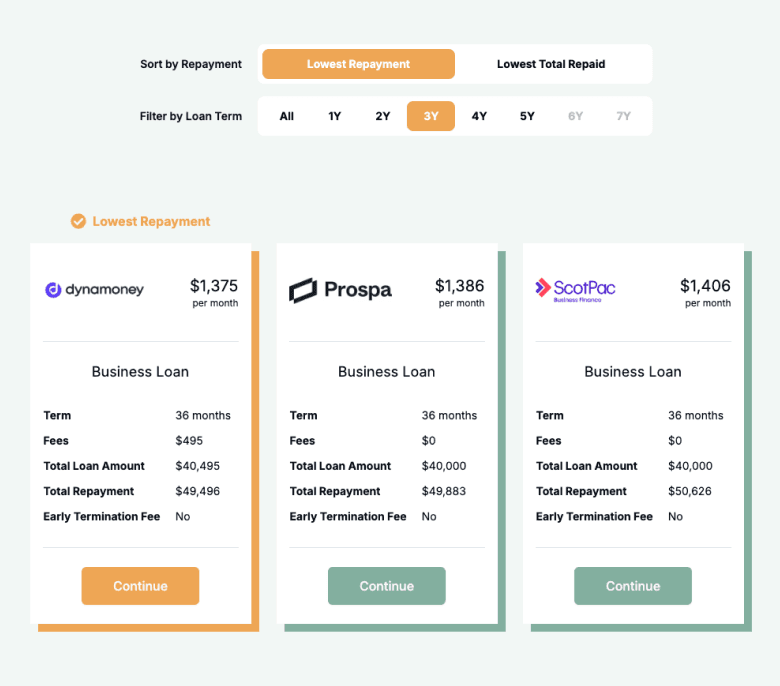
Compare matched offers from 50+ lenders

We match your profile against lenders that accept low doc applications. You see rates, terms and fees side by side. No impact on your credit score at this stage.

4.

Get approved and funded

Choose your offer, provide ID and any asset quotes. Same-day approvals are available. Funds paid within 24 to 48 hours for straightforward applications.

How low doc business loans work with Emu Money

Backed by over 50+ lenders

Giving you the best chance of being approved.

Affordable Car Loans
Alex Bank
Angle Finance
ANZ
Australian Motorcycle & Marine Finance
Australian Premier Finance
Automotive Financial Services
Azora
Bank of Melbourne
Bizcap
BOQ
Branded Financial Services
Capify
Capital Finance
CarStart Finance
CFI
Dynamoney
EarlyPay
Equity Tap
Finance One
Finstro
Firstmac
Flexi Commercial
Green Light Auto
Grenke
Latitude
Liberty
Lumi
Metro
Money3
MoneyMe
MoneyPlace
Morris Finance
Moula
Multipli
Now Finance
Pepper Money
Plenti
Prospa
Resimac
ScotPac
Selfco
Shift
SocietyOne
UME Loans
Vestone
Westpac
Wisr
Yellow Gate

Compare low doc business loans from 50+ lenders

One application. Multiple low doc offers. No tax returns needed. See your personalised rate in minutes.

What low doc business loans actually require

Low doc does not mean no documentation. It means reduced documentation compared to a standard (full doc) application. Instead of tax returns, financial statements and accountant letters, you provide bank statements that show your business revenue and spending patterns.

The standard low doc requirement is 3 to 6 months of business bank statements. Lenders use these to verify your revenue, assess cash flow consistency and estimate your capacity to repay. Some lenders also accept BAS lodgements as supporting evidence, though they're not required.

For equipment finance and vehicle finance, the asset itself acts as additional security. This means lenders can approve low doc applications with less scrutiny on income because they can recover the asset if you default. That's why low doc rates for asset-secured lending (from 7.99%) are lower than unsecured low doc rates (from 9.95%).

Typical low doc documentation

  • 3-6 months business bank statements (PDF from internet banking)
  • Valid ABN (registered 6+ months for most lenders)
  • Personal identification (driver's licence or passport)
  • Asset quote or invoice (for equipment/vehicle finance)
  • GST registration (most lenders, not all)
  • Accountant's declaration (some lenders, usually a one-page form)

Low doc vs full doc vs no doc

Full doc applications require tax returns (usually 2 years), financial statements, BAS lodgements and sometimes an accountant's letter. They get the lowest rates because the lender has complete visibility of your financial position. If you have current financials ready, full doc is always cheaper.

Low doc sits in the middle. You provide bank statements instead of tax returns. Rates are typically 1-3% higher than full doc because the lender is accepting more risk with less information. On a $100,000 loan over 5 years, a 2% rate premium adds $5,400 in total interest.

No doc is a misleading term. True no-doc lending barely exists in Australia since the responsible lending reforms. What's marketed as no doc usually means the lender uses open banking data, credit bureau information and ABN verification instead of you manually providing documents. You're still assessed on your capacity to repay.

Documentation levels compared

FeatureFull DocLow DocNo Doc
Documents requiredTax returns, financials, BAS, accountant letter3-6 months bank statementsMinimal (open banking, credit bureau)
Rate premiumNone (base rate)+1-3%+2-5%
Typical rate (secured)From 6.59%From 7.99%From 9.95%
Approval speed3-5 business daysSame day to 48 hoursSame day
Loan range$5,000 - $2,000,000+$5,000 - $500,000$5,000 - $150,000
Best forBusinesses with current financialsBusinesses without up-to-date tax returnsUrgent funding, very new businesses

Rates and the low doc premium

Low doc rates start from 7.99% for asset-secured finance (equipment, vehicles, trucks) and from 9.95% for unsecured business loans. The premium over full doc rates is typically 1-3%, depending on the lender, your credit score and the loan type.

The rate premium exists because the lender is making a decision with less financial information. Bank statements show revenue and spending, but they don't show profitability, tax obligations or off-balance-sheet liabilities the way tax returns and financial statements do.

On a $75,000 equipment finance deal over 5 years, the difference between a full doc rate of 7.49% and a low doc rate of 9.49% is $4,050 in extra interest, or $67.50 per month. For many business owners, that's a reasonable cost to avoid the 6-8 week delay of getting financials prepared by an accountant.

Your credit score has a bigger impact on low doc rates than on full doc. With full doc, the financials tell the story. With low doc, the lender relies more heavily on your Equifax score. Above 650 gets you close to the best low doc rates. Below 550, expect rates 3-5% higher again.

What affects your low doc rate

  • Personal credit score (biggest single factor)
  • Secured vs unsecured (asset security lowers rate by 1-3%)
  • ABN age (2+ years gets better rates than 6-12 months)
  • Loan-to-value ratio (deposit reduces rate on asset finance)
  • Revenue consistency (stable monthly deposits vs irregular income)
  • Industry risk (some industries attract higher rates regardless)

What you can finance with low doc

Almost every business finance product has a low doc pathway. The key difference is the rate premium and sometimes the maximum amount.

Equipment finance is the easiest low doc approval because the equipment secures the loan. Lenders can value the asset independently and recover it if needed. Low doc equipment finance is available from 3-month-old ABNs through specialist lenders.

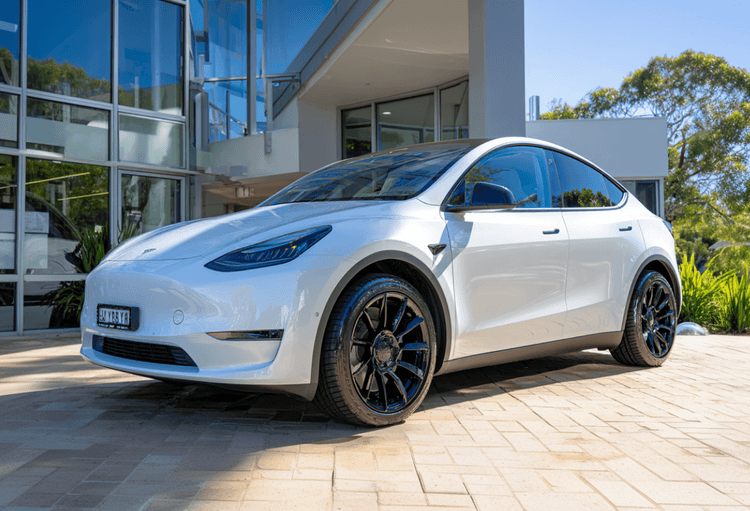
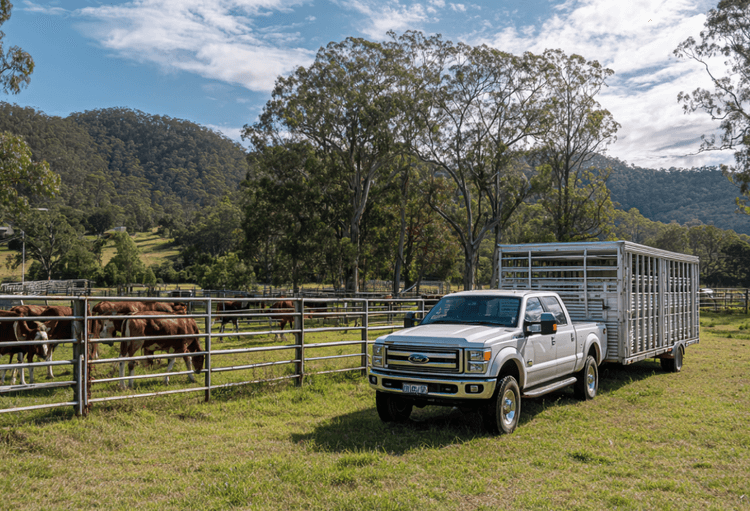
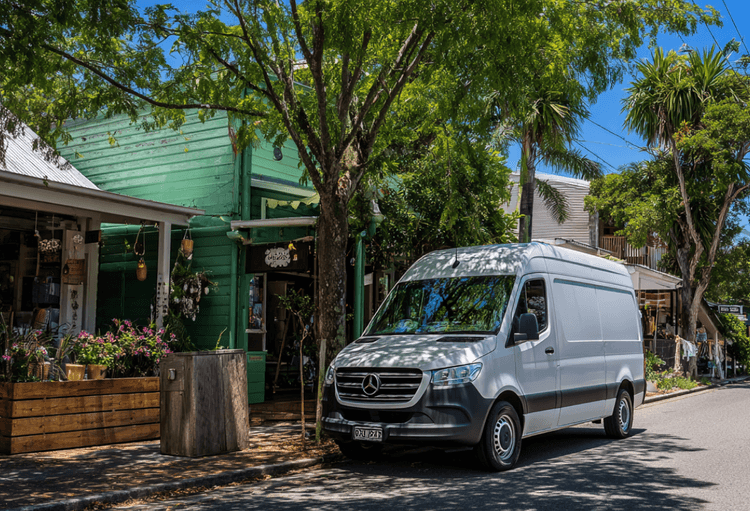
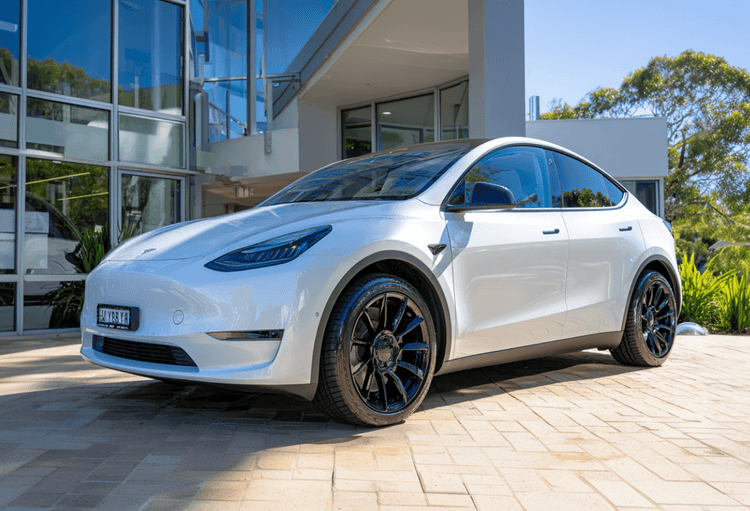
Vehicle finance follows the same logic. Cars, utes, vans and trucks are easy to value and recover. Low doc vehicle rates start from 7.99% for new vehicles from authorised dealers.

Unsecured business loans are harder to get on low doc because there's no asset to recover. Most lenders cap unsecured low doc at $150,000 and require 12+ months ABN history. Rates start from 9.95% and can reach 18-24% for higher-risk profiles.

Lines of credit, invoice finance and merchant cash advances are also available on low doc terms, though each has its own documentation requirements beyond bank statements.

Who qualifies for a low doc business loan

The core requirement is an ABN registered for at least 6 months (some specialist lenders accept 3 months for asset-secured lending). You need to show regular revenue through bank statements, though the minimum varies: $5,000 per month for small unsecured loans, $10,000+ per month for larger facilities.

Your personal credit score matters more in low doc than full doc. Most lenders want a minimum Equifax score of 500, with 600+ unlocking the best rates. Defaults, judgements or Part IX agreements in the last 2-3 years narrow the panel significantly but don't eliminate options.

GST registration is required by most (not all) lenders. If you're under the $75,000 GST threshold and not registered, a smaller number of lenders will still consider your application.

The most common low doc borrowers are: sole traders and tradies whose accountant is behind on tax returns, seasonal businesses where current-year revenue doesn't match last year's tax return, growing businesses where tax returns understate current revenue, and businesses with complex structures where compiling full financials takes months.

Minimum requirements (most lenders)

  • ABN registered 6+ months (3 months for some asset finance)
  • 3-6 months business bank statements
  • Personal credit score above 500 (600+ for best rates)
  • Monthly revenue of $5,000+ (varies by lender and amount)
  • Personal identification (driver's licence or passport)
  • No current bankruptcy or Part IX debt agreement (most lenders)

Low doc for asset finance

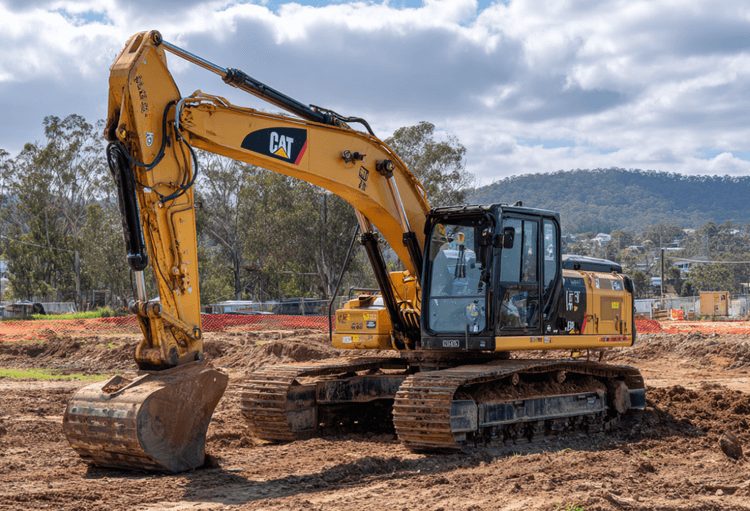
Asset-secured low doc lending is where the rate premium shrinks and the approval rate climbs. When a $150,000 excavator or $65,000 ute secures the loan, the lender's risk drops because they can repossess and sell the asset if you default.

Low doc equipment finance rates start from 7.99%, compared to 6.59% for full doc. The 1.4% premium on a $150,000 deal over 5 years adds $5,355 in total interest, or $89 per month. For a business generating $15,000+ per month in revenue, that's a manageable cost to avoid a 2-month delay waiting for financials.

Lender valuations are automated for common vehicle makes and models, so low doc car loan approvals can happen the same day. Specialist equipment like mining, medical or manufacturing machinery may require an independent valuation, adding 1-2 days.

A 10-20% deposit significantly improves low doc asset finance rates. On a $100,000 piece of equipment, a $20,000 deposit can reduce your rate by 0.5-1.5% because the lender's exposure drops to $80,000 on a $100,000 asset. Over 5 years, that rate reduction saves $2,025 to $6,075 in interest.

Low doc asset finance rates by type

Asset typeLow doc rate fromFull doc rate fromPremium
New vehicles (dealer)7.99%6.59%+1.40%
Used vehicles (under 5 years)8.99%7.49%+1.50%
Equipment (standard)7.99%6.59%+1.40%
Specialist equipment9.49%7.99%+1.50%
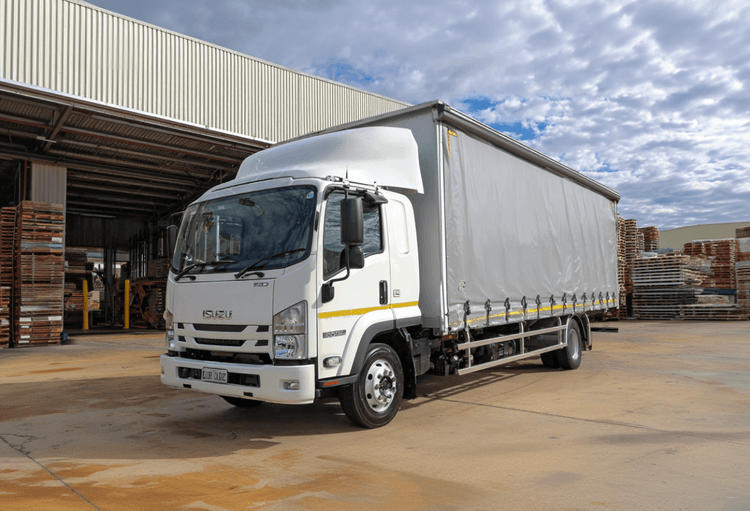
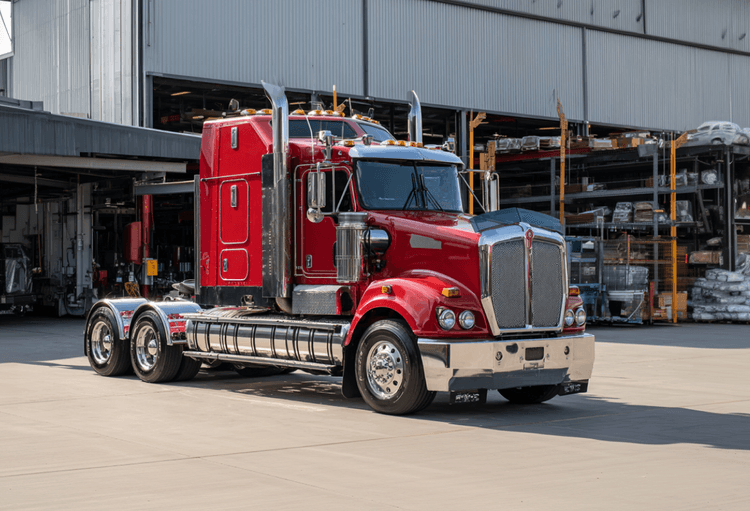
Trucks and heavy vehicles8.49%6.99%+1.50%

How to reduce your low doc rate over time

Low doc doesn't have to be permanent. Most lenders offer a rate review after 12 months of on-time repayments. If your accountant catches up on financials during that period, you can refinance to full doc rates and save the premium for the remaining term.

On a $100,000 loan at 9.49% over 5 years, refinancing to 7.49% after 12 months saves $3,240 over the remaining 4 years. The refinance cost is typically $0 to $500 in discharge and establishment fees, making it worthwhile on any loan above $30,000.

Building a repayment track record also opens doors. Lenders who declined your initial application may approve a new deal 12-18 months later with the evidence of consistent repayments. Your credit score improves with each on-time payment, further reducing rates.

Three practical steps to lower your rate: get your tax returns up to date (even one year helps), maintain a clean bank account (no dishonours, no gambling transactions), and avoid additional credit applications in the interim (each inquiry reduces your score by 5-10 points).

Common reasons low doc applications get declined

The most common reason is insufficient revenue in bank statements. Lenders need to see enough income to cover repayments with a buffer. If your monthly revenue is $8,000 and the repayment is $3,000, most lenders want a debt service coverage ratio of at least 1.5x, meaning $4,500 in available cash flow after basic expenses.

Bank statement quality matters as much as revenue. Dishonoured payments, multiple gambling transactions, persistent overdrawing and large unexplained cash deposits all trigger manual review or outright decline. Clean up your bank account for at least 3 months before applying.

Credit score issues cause 30-40% of low doc declines. Defaults under $1,000 can sometimes be worked around with specialist lenders. Defaults over $5,000 or multiple defaults typically require a 12-month clean period before most lenders will consider the application.

Other decline reasons: ABN too new (under 6 months), industry exclusions (some lenders won't lend to certain industries), insufficient deposit for asset finance, and applying for too much relative to revenue.

How to improve approval chances

  • Ensure 3+ months of clean bank statements (no dishonours, no gambling)
  • Check your Equifax credit score before applying (free at credit reporting agencies)
  • Provide a 10-20% deposit for asset finance
  • Apply through a broker to avoid multiple credit inquiries
  • Start with a smaller amount and build repayment history
  • Clear any defaults under $1,000 before applying

Types of business loans

Eight business finance structures are available through Emu Money's lender panel. Each suits different purposes, amounts, and repayment preferences.

Secured Fixed Term Loan

A business loan secured against assets with a fixed interest rate and predetermined repayment schedule. Provides certainty and competitive rates for business growth and expansion.

Loan Amount$5,000 - $15,000,000
Term1 - 60 months
Interest RateFrom 7.95%
Time to Fund24 - 48 hours
EligibilityABN registered, GST registered (if applicable), Australian Citizen or PR
Pros
  • Fixed interest rate provides payment certainty
  • Lower rates due to asset security
  • Predictable budgeting with set repayment schedule
  • Tax deductible interest payments
Cons
  • Asset required as security - risk of loss
  • Less flexibility than variable rate loans
  • Early repayment fees may apply
  • Comprehensive asset insurance required
Best For

Established businesses with valuable assets seeking predictable repayments for expansion, equipment purchases, or working capital needs.

Unsecured Fixed Term Loan

A business loan with fixed interest rate and repayment terms that doesn't require asset security. Based on business creditworthiness and cash flow capacity.

Loan Amount$5,000 - $15,000,000
Term1 - 60 months
Interest RateFrom 7.95%
Time to Fund24 - 48 hours
EligibilityABN registered, GST registered (if applicable), Australian Citizen or PR
Pros
  • No assets required as security
  • Fixed interest rate for payment certainty
  • Quick approval process
  • Flexible use of funds for any business purpose
Cons
  • Higher interest rates than secured loans
  • Stricter credit and income requirements
  • Lower maximum loan amounts
  • Personal guarantees may be required
Best For

Businesses with strong credit history and cash flow that need quick funding without putting assets at risk, ideal for working capital or short-term expansion.

Business Overdraft

A flexible credit facility that allows your business to withdraw more money than available in your account, up to an agreed limit. Perfect for managing cash flow fluctuations.

Loan Amount$5,000 - $15,000,000
Term1 - 60 months
Interest RateFrom 7.95%
Time to Fund24 - 48 hours
EligibilityABN registered, GST registered (if applicable), Australian Citizen or PR
Pros
  • Flexible access to funds when needed
  • Only pay interest on amount used
  • Helps manage seasonal cash flow variations
  • Can be renewed annually
Cons
  • Variable interest rates can increase costs
  • Can be recalled by the lender
  • May require personal guarantees
  • Fees for exceeding agreed limits
Best For

Businesses with fluctuating cash flow, seasonal operations, or those needing flexible access to working capital for day-to-day operations.

Chattel Mortgage

A secured loan where you own the asset from day one while the lender holds a mortgage over it as security. Perfect for business equipment, vehicles, and machinery purchases.

Loan Amount$5,000 - $2,000,000
Term12 - 84 months
Interest RateFrom 6.59%
Time to Fund24 - 48 hours
EligibilityABN registered, GST registered (if applicable), Australian Citizen or PR
Pros
  • Immediate ownership of the asset
  • Tax benefits - claim GST credits and depreciation
  • Flexible repayment terms available
  • Lower interest rates due to security
Cons
  • Asset serves as security - risk of repossession
  • Comprehensive insurance typically required
  • Ongoing maintenance responsibilities
Best For

Established businesses looking to purchase equipment, vehicles, or machinery with immediate ownership and maximum tax benefits.

Commercial Property Loan

Financing for purchasing, refinancing, or developing commercial real estate. Secured against the property with competitive rates and flexible terms for business property investments.

Loan Amount$5,000 - $15,000,000
Term1 - 60 months
Interest RateFrom 7.95%
Time to Fund24 - 48 hours
EligibilityABN registered, GST registered (if applicable), Australian Citizen or PR
Pros
  • Competitive rates secured against property
  • Longer repayment terms available
  • Tax benefits including depreciation claims
  • Build equity in commercial real estate
Cons
  • Property serves as security - risk of loss
  • Large deposit requirements typically needed
  • Longer approval process due to property valuations
  • Market value fluctuations affect equity
Best For

Businesses looking to purchase premises, investors seeking commercial property opportunities, or companies wanting to refinance existing commercial property debt.

Hire Purchase

A financing arrangement where you hire the asset with an obligation to purchase it at the end of the term. Combines the benefits of gradual ownership with manageable monthly payments.

Loan Amount$5,000 - $2,000,000
Term12 - 84 months
Interest RateFrom 6.59%
Time to Fund24 - 48 hours
EligibilityABN registered, GST registered (if applicable), Australian Citizen or PR
Pros
  • Guaranteed ownership at term completion
  • Fixed monthly payments for budgeting
  • No large upfront capital required
  • Tax benefits available during the term
Cons
  • No ownership until final payment made
  • Higher total cost than outright purchase
  • Asset cannot be sold during the term
  • Early termination may incur penalties
Best For

Businesses that want eventual ownership of assets but need to spread the cost over time, particularly suitable for essential equipment with long useful life.

Finance Lease

A lease agreement where you use the asset throughout the lease term with the option to purchase it at the end. Ideal for businesses wanting to preserve cash flow while accessing essential equipment.

Loan Amount$5,000 - $2,000,000
Term12 - 84 months
Interest RateFrom 6.59%
Time to Fund24 - 48 hours
EligibilityABN registered, GST registered (if applicable), Australian Citizen or PR
Pros
  • Lower upfront costs and deposits
  • Preserves working capital and credit lines
  • Tax deductible lease payments
  • Option to purchase at lease end
Cons
  • No ownership until lease completion
  • Total cost may be higher than outright purchase
  • Early termination penalties may apply
Best For

Growing businesses that need equipment access without large capital outlay, or companies wanting to preserve cash flow for operations.

Operating Lease

A rental agreement for business equipment where you use the asset for a set period without ownership obligations. Perfect for equipment that becomes obsolete quickly or seasonal business needs.

Loan Amount$5,000 - $2,000,000
Term12 - 84 months
Interest RateFrom 6.59%
Time to Fund24 - 48 hours
EligibilityABN registered, GST registered (if applicable), Australian Citizen or PR
Pros
  • No ownership responsibilities or risks
  • Lower monthly payments than finance options
  • Easy upgrades to newer equipment
  • Tax deductible lease payments
Cons
  • No equity built in the asset
  • No ownership at lease end
  • Limited customisation options
  • Ongoing payment obligations
Best For

Businesses needing short-term equipment access, companies in rapidly evolving industries, or those wanting predictable operating expenses without ownership risks.

Estimate your business loan repayments

See what your repayments would look like before you apply. Enter a loan amount, term, and rate to get an instant estimate with a full amortisation schedule.

  • Compare finance structures
  • Full amortisation schedule
  • Instant results, no sign-up
  • Adjustable rates and terms

Low Doc Business Loan Guides & Resources

In-depth guides covering specific low doc topics, from documentation requirements to specialist lending for vehicles and equipment.

Case Study

Tom Hennessy - Hennessy Plumbing

Tom Hennessy, Hennessy Plumbing

How a plumber financed $185,000 in equipment without tax returns


Challenge: Tom Hennessy runs a plumbing business in Brisbane with 3 staff and $650,000 in annual revenue. His accountant was 18 months behind on tax returns after switching accounting software. He needed to replace an ageing van ($62,000 Toyota HiAce) and buy a new excavator ($123,000 Kubota KX040-4) to take on civil plumbing contracts. Two banks declined his application because he couldn't provide current financials.

Solution: Through Emu Money, Tom applied on a low doc basis with 6 months of business bank statements showing consistent monthly deposits of $52,000 to $58,000. We matched him with a non-bank lender that approved both assets as separate chattel mortgages.


The van was approved at 8.49% over 5 years ($1,268/month) and the excavator at 8.99% over 5 years ($2,554/month). Combined monthly repayments of $3,822 against monthly revenue of $55,000 gave a comfortable debt service ratio. Tom claimed $16,818 in GST credits on his next BAS ($5,636 on the van + $11,182 on the excavator), which covered more than 4 months of combined repayments. Year 1 depreciation of $27,750 (15% small business pool) saved $6,938 in tax at the 25% company rate. The total low doc rate premium over full doc was $3,780 per year in extra interest across both loans. His accountant lodged the outstanding tax returns 8 months later, and Tom refinanced both loans to full doc rates (van 7.29%, excavator 7.49%), saving $2,940 per year for the remaining 4 years. The excavator unlocked $180,000 in civil contracts in the first 6 months that he couldn't bid on without it.

Frequently asked questions

Common questions about low doc business loans in Australia.

These helpful FAQs will help you find the answers you need. If you can't find what you're looking for, you can request a callback below.

What is a low doc business loan?
What documents do I need for a low doc loan?
What interest rates do low doc business loans charge?
How much can I borrow with a low doc loan?
Can I get a low doc loan with a new ABN?
What is the difference between low doc and no doc?
Why are low doc rates higher than full doc?
Can I refinance from low doc to full doc later?
Can I get low doc equipment finance?
Will a low doc application affect my credit score?
What can cause a low doc application to be declined?
How can Emu Money help with low doc business finance?